Plenty of people visit New Zealand, spend three weeks here, and never see a kiwi. They are nocturnal, endangered, and in the wild they are extremely good at not being found.
The Otorohanga Kiwi House exists to solve that, and it does it well. Here is what the visit is actually like, and whether it earns the detour.
The short answer
Yes, if you want to see a kiwi. It is one of the most reliable places in the country to see one awake and active, and the birds are close enough that you can watch them properly rather than squint at a distant shape.
It is a modest, well run conservation facility rather than a large attraction. Set your expectations accordingly and you will enjoy it. Turn up expecting a zoo and you may not.
How the nocturnal house works
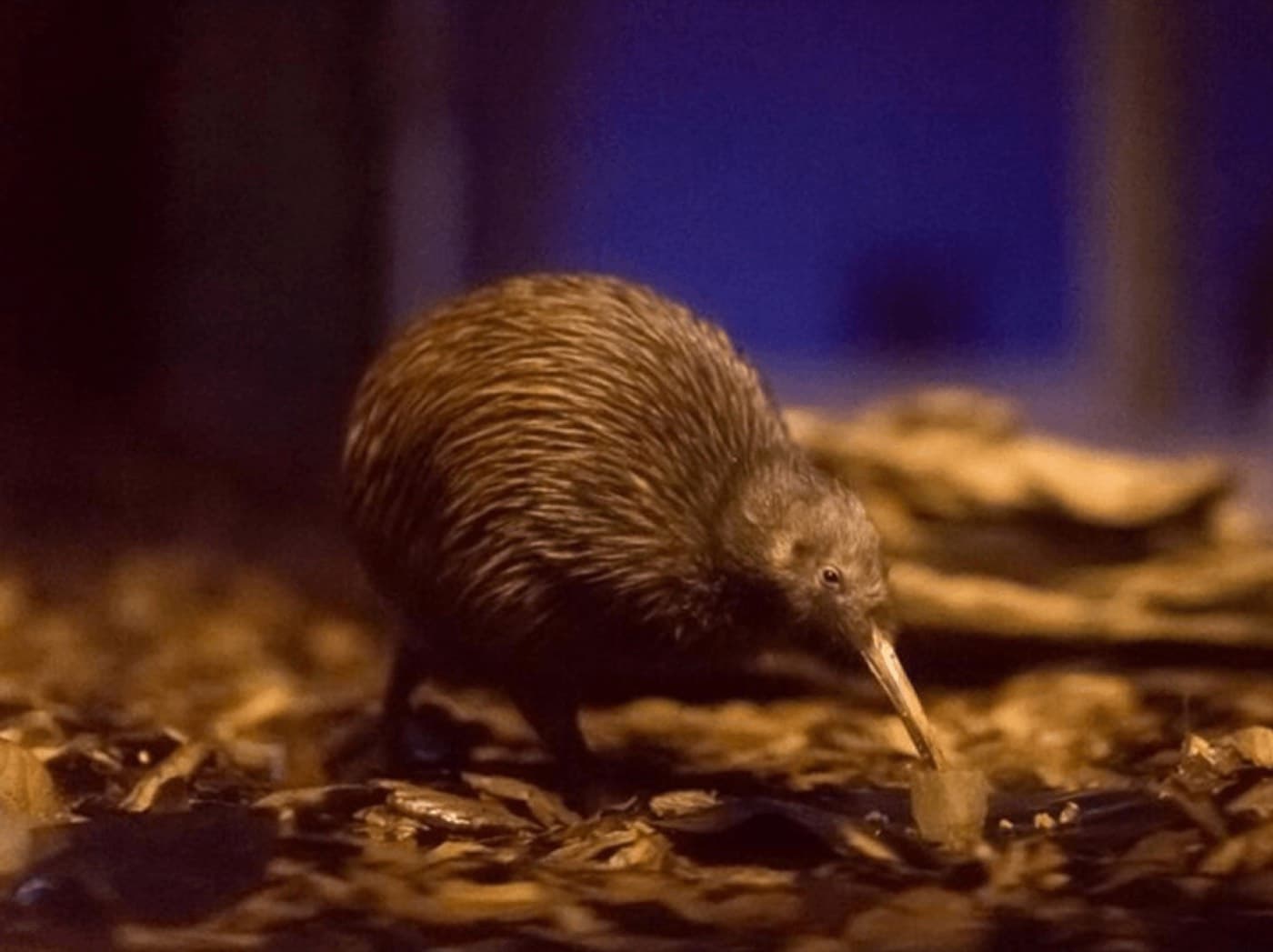
Kiwi sleep through the day, which would make a daytime visit pointless. The nocturnal enclosures solve it by reversing the lighting: the birds are kept in dim red-tinted light during opening hours so that their night falls while you are there.
It takes your eyes a couple of minutes to adjust when you walk in. Stand still, let them settle, and the birds resolve out of the gloom. They are considerably bigger and noisier than most people expect, and they spend most of their time probing the leaf litter with that extraordinary bill.
- Reversed lighting so the kiwi are awake and feeding during the day
- Give your eyes a few minutes to adjust when you go in
- No flash photography, it is genuinely harmful to them
- Keep your voice down and you will see far more
It is not only kiwi
The site is properly called the Otorohanga Kiwi House and Native Bird Park, and the rest of the collection is a good part of the value. There is a large walk-through aviary where native birds move around you rather than sitting behind glass.
For overseas visitors it is a useful crash course in what New Zealand actually has, and why so much of it is in trouble.
- Kiwi in the nocturnal houses
- A walk-through aviary with native birds at close range
- Kea and kākā, the mountain and forest parrots
- Other native species including reptiles
- Conservation and breeding programme information throughout
How long to allow, and when to go
An hour to ninety minutes covers it comfortably. It is not a half day attraction and pretending otherwise sets people up to be disappointed.
Check the feeding times when you arrive and plan around them, because that is when the kiwi are most active and most visible. Weekday mornings are quietest, and a quiet nocturnal house is a much better experience than a busy one.
Getting there and what to pair it with
Otorohanga is about 55 kilometres south of Hamilton, roughly 45 minutes, and sits directly on the road to Waitomo. That location is the key to making a day of it.
The town markets itself as New Zealand's Kiwiana town and has a walk of Kiwiana displays along the main street, which is worth twenty minutes. Waitomo is fifteen minutes further south.
- Waitomo Caves, fifteen minutes further south
- The Kiwiana displays along the Otorohanga main street
- Mangapohue Natural Bridge and Marokopa Falls, west of Waitomo
- The Waipā Valley ridge road towards Te Kuiti
The verdict
Worth visiting, with the right framing. It is an hour, it is affordable, it is a conservation organisation rather than an entertainment business, and it delivers the one thing it promises: you will see a kiwi.
Pair it with something else rather than driving down for it alone. Our half day tour does exactly that, running from Te Awamutu past Mount Kakepuku to the Kiwi House, then up onto the ridge above the Waipā River Valley with lunch at the Steam Inn Cafe. $695 including lunch.