New Zealand has one of the highest rates of classic car ownership per head in the world. Drive through any small Waikato town on a Sunday and you will see it: a Mustang outside the bakery, a Bel Air under a carport, a club run heading for the coast.
American cars have a particular place in that. They arrived here in small numbers, they were expensive and awkward to run, and they were kept anyway. Here is why they matter, and what it is like to ride in one on roads they were never designed for.
How American classics reached New Zealand
For most of the twentieth century New Zealand ran heavy import restrictions and tariffs. British cars dominated because of Commonwealth trade preference, and anything American was a rarity that cost a great deal to land here.
That scarcity is exactly why the ones that made it were looked after. A car that expensive was not run into the ground, it was garaged, maintained and passed on. When import rules relaxed in the 1980s a second wave arrived, mostly enthusiast imports from the United States and Japan, and the club scene grew around them.
The cars that define the era
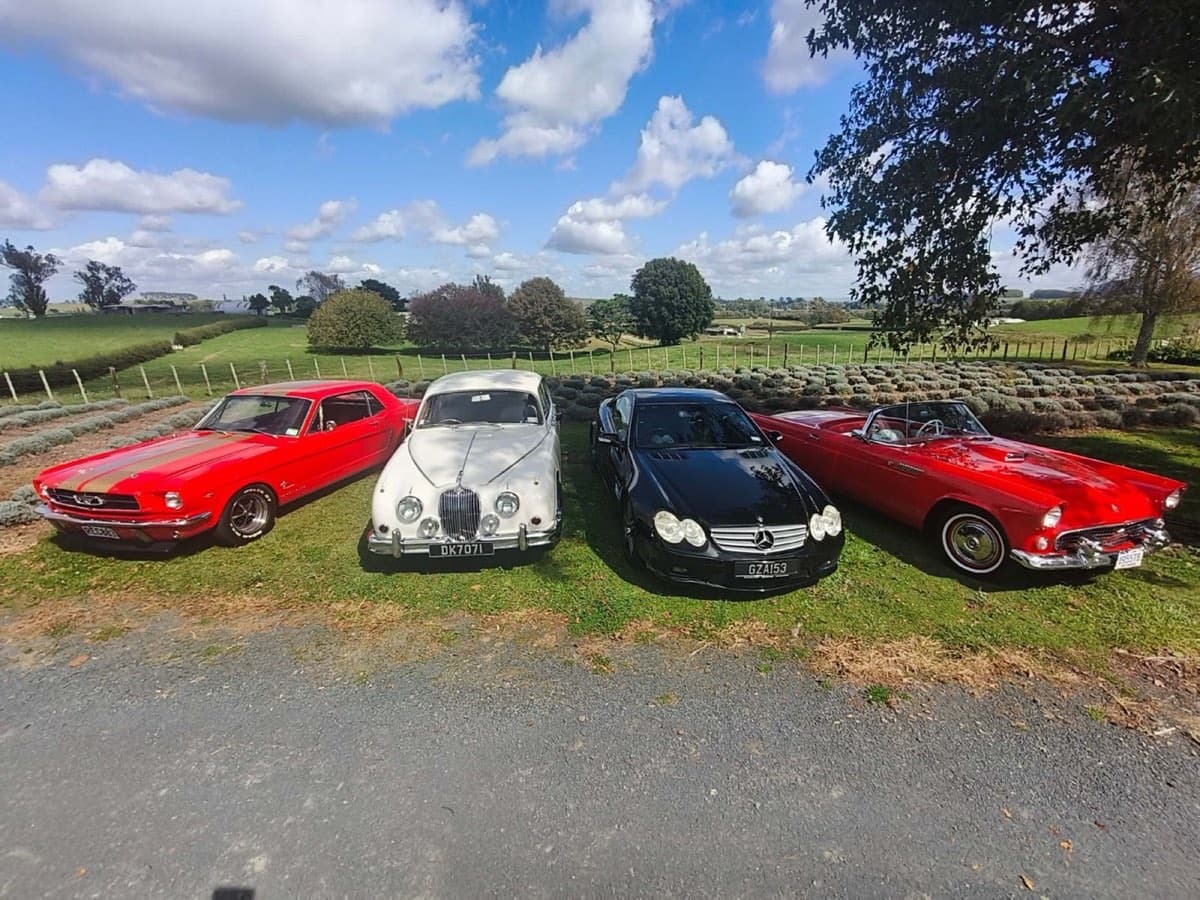
Certain models carry the whole period on their shoulders. Ours are a good cross section of what people picture when they think of American motoring.
1955 Ford Thunderbird
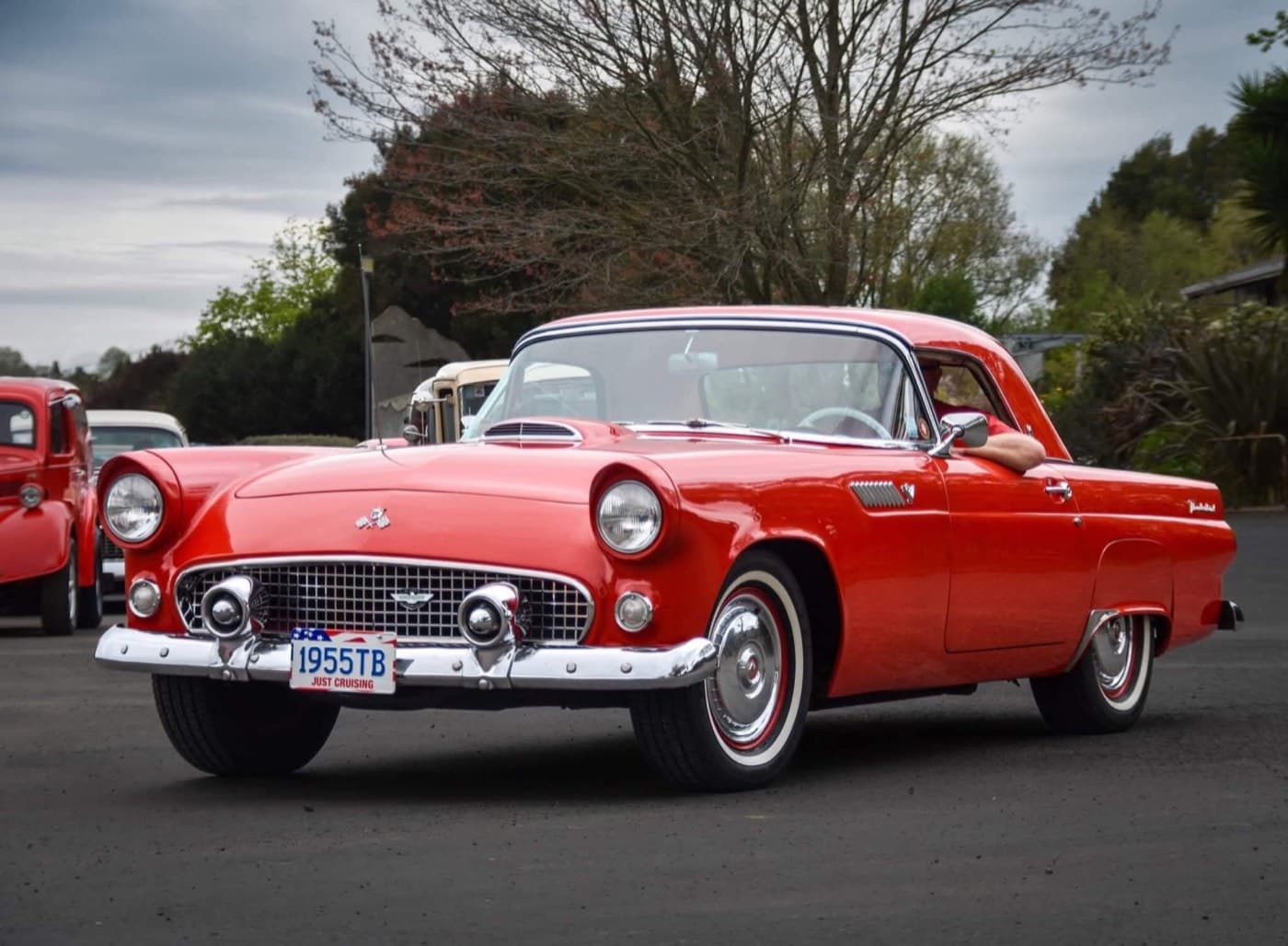
Ford's answer to the Corvette, and the car that invented the personal luxury coupe. A two seat convertible with a V8, chrome everywhere and a hard top you can lift off. It is the Hollywood car, and it still stops traffic in Cambridge.
1964 and a half Ford Mustang
The first Mustangs, built before the official 1965 model year, are the ones collectors chase. The Mustang was the fastest selling car in American history at launch and it created the pony car class outright. The sound is the point.
1966 Jaguar Mark II
Not American, but it belongs in the conversation. The Mark II was the car the American market fell for hardest, the definitive English sports saloon, and it is still the benchmark for elegance at a wedding.
Mercedes-Benz SL55 AMG
The modern outlier in the fleet. A supercharged AMG convertible that answers the question of what happens when the classic grand tourer idea gets thirty more years of engineering.
Why New Zealand roads suit them
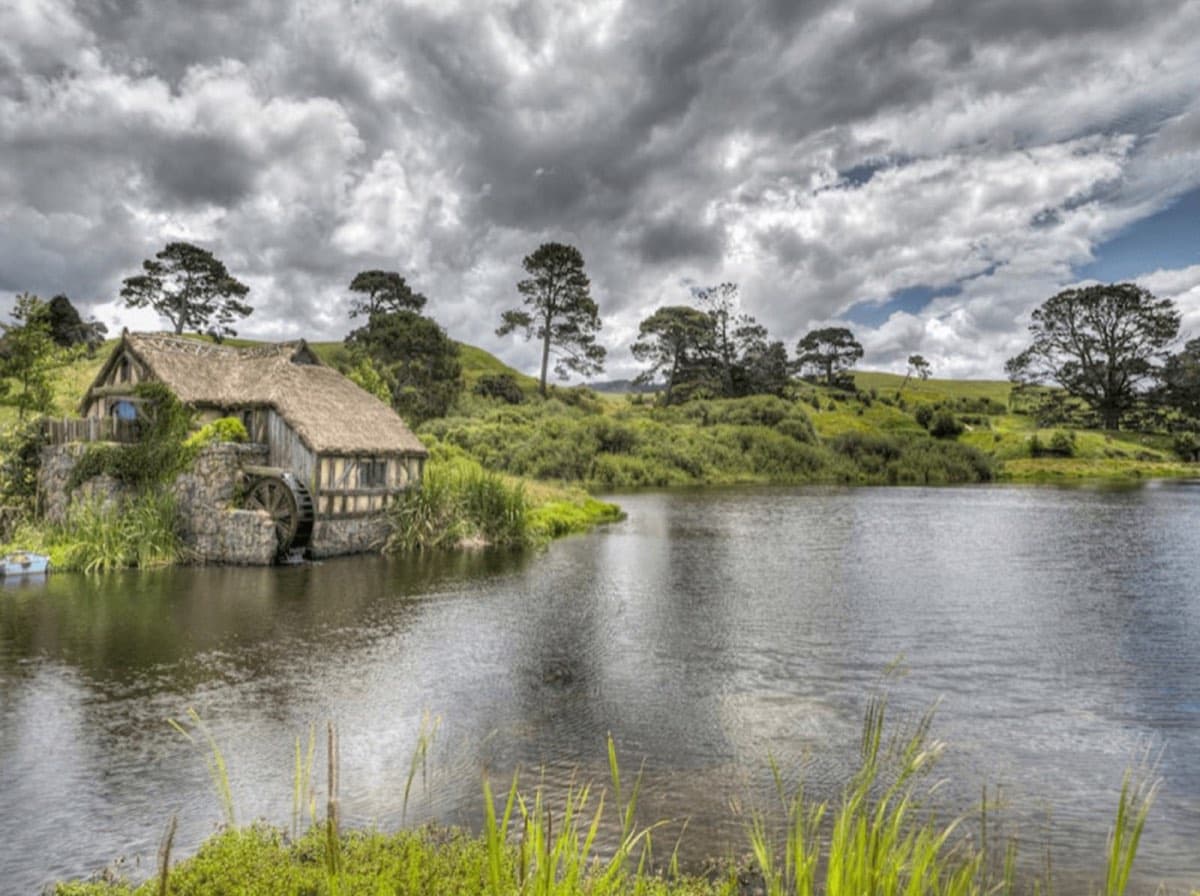
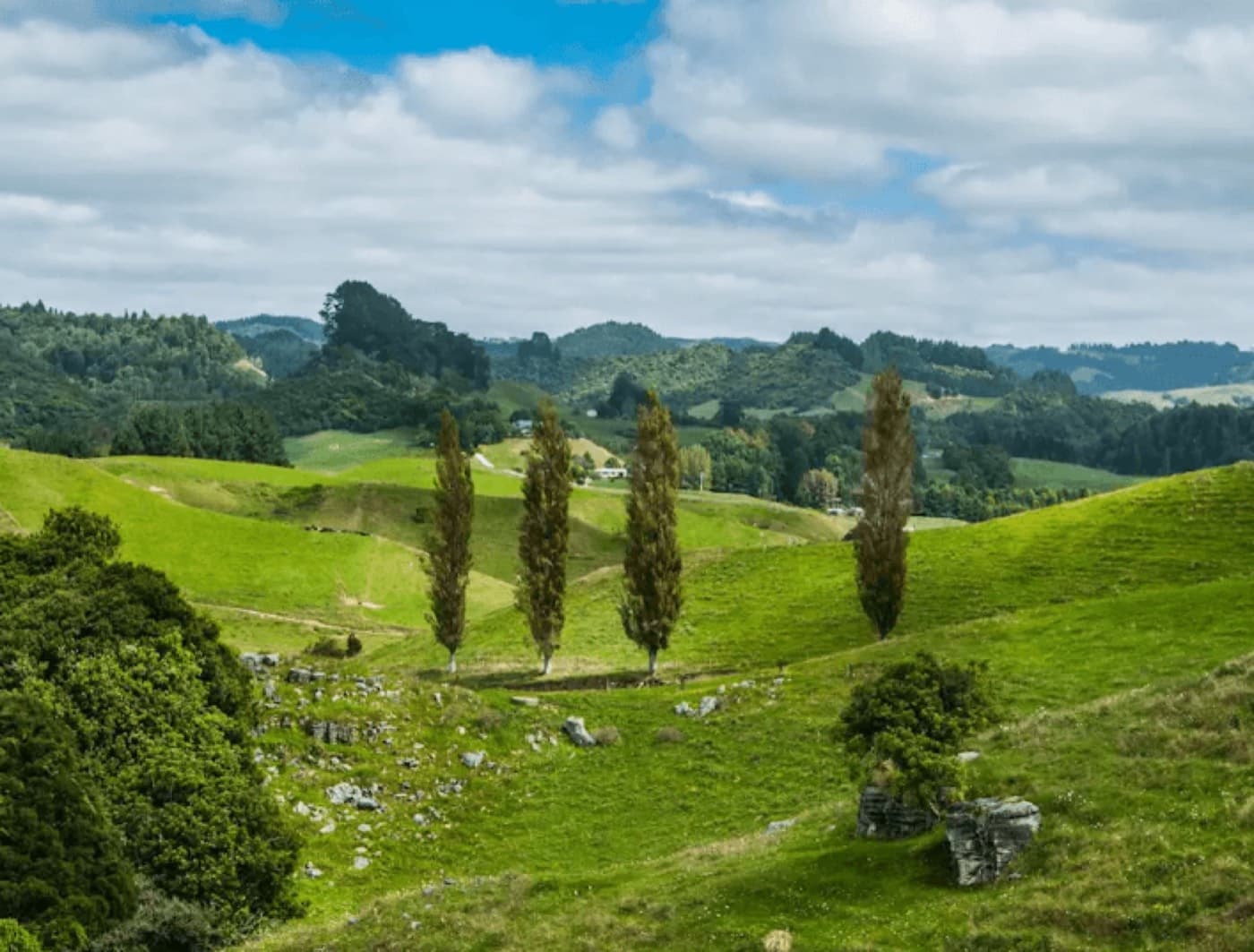
Big American cars of the 1950s and 1960s were built for long, open, gently curving highways. That is not a bad description of the Waikato once you are off the expressway.
The roads between Te Awamutu, Pirongia and Raglan, or the run east towards Matamata, are exactly the sort of thing a Thunderbird was designed for: sweeping, unhurried, scenic. A car like that is wasted in city traffic and comes alive at seventy kilometres an hour on a farm road with the top down.
Riding in one versus owning one
Owning a classic is a commitment. Parts come from overseas, specialists are thin on the ground, and a car that sits still deteriorates faster than one that gets used. Most people who love these cars never own one.
Riding in one is the shortcut. Every tour we run is chauffeur driven in the car of your choice, which means you get the sound, the smell of old leather and the reaction from other drivers without the restoration bill. You can also mix vehicles across a day if you cannot decide.